

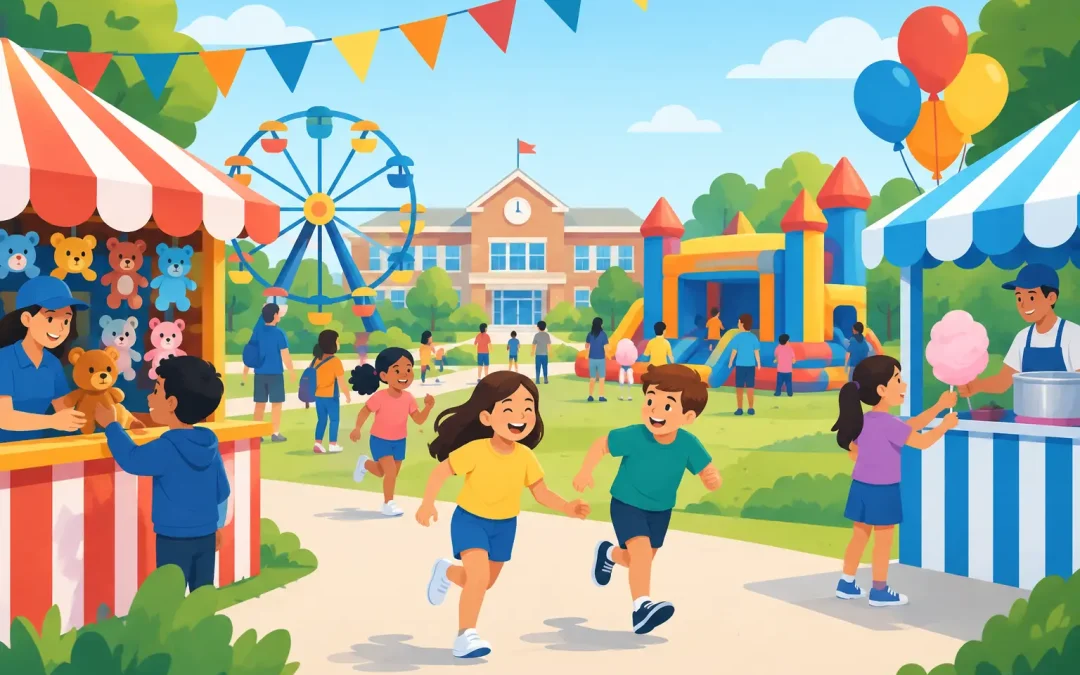
A great school carnival is not just a row of stalls on the oval. It is the day students race through the gates, parents stay longer than planned, and the whole school community gets to have a proper laugh together. If you are working out how to plan a school carnival, the secret is to start with the experience you want families to remember, then build the practical details around it.
Whether you are raising funds for new equipment, welcoming prospective families or simply bringing your community together, the best carnivals balance big fun with a clear plan. Here is how to make it happen without turning your committee into a stressed-out collection of clipboard holders.
Start With a Clear Carnival Goal
Before booking a jumping castle or printing a raffle ticket, decide what success looks like. A fundraising carnival needs a realistic profit target and activities that generate income. A community-focused event may put more emphasis on free entertainment, comfortable spaces for families and a relaxed, inclusive atmosphere.
Set a date that avoids major school events, local sporting finals and school holiday periods. For Melbourne schools, have a wet-weather plan from day one. It might be access to a hall, a smaller indoor programme, covered food areas or clear cancellation and rescheduling arrangements with suppliers. Hoping the weather behaves is not a plan.
Choose one person to lead the event and give each key area a clear owner. Think attractions, food, stalls, sponsorship, volunteer coordination, marketing, finances and safety. A short weekly check-in keeps decisions moving and stops jobs being duplicated or missed.
Build a Budget Before You Build the Fun
A carnival can look busy and still lose money if costs are not tracked early. Create a simple working budget with expected income and expenses, then update it as quotes and bookings come in. Include site hire if relevant, equipment hire, insurance, permits, security, first aid, rubbish collection, power, printing, EFTPOS fees and contingency funds.
Work backwards from your fundraising goal. If the school hopes to raise $10,000, estimate attendance, average family spend and likely costs. This shows whether you need more ticketed attractions, sponsorships, stallholder fees or a pre-sale wristband option.
Not every activity needs to make a direct profit. A photo booth, live music or an arcade zone may be there to keep older students and parents engaged for longer. The trade-off is worth it if it improves the overall atmosphere and gives families a reason to stay, eat and enjoy more of the event.
For paid attractions, keep pricing easy to understand. Families respond well to a mix of free entertainment, individual tickets and an all-day ride wristband. Make sure signs at the gate, ticket booth and attraction area all show the same information.
Choose Attractions for Every Age Group
The fastest way to lose momentum is to plan only for younger children. A school carnival works best when prep students, upper primary kids, teenagers, parents and grandparents all have something to do.
Create zones, not a random collection of rides
Group attractions by audience and energy level. A little kids zone might include age-appropriate inflatables, face painting and simple games. A high-energy zone could feature a dunk tank, sumo suits or sports challenges. For older students, arcade machines, racing games, claw machines, pinball and karaoke create a more social, competitive feel.
Food-service attractions can work as both entertainment and fundraising. Popcorn, fairy floss, slushies and soft serve give the carnival that classic fairground feel while helping keep queues moving around the site. Just be realistic about volunteer capacity. A popular machine is only useful when enough trained people are available to serve it.
Think about sightlines too. Parents should be able to watch younger children without standing in the middle of a queue, while high-traffic attractions need room for spectators, entry and exit points. Ask equipment suppliers about footprints, power requirements, surface suitability and supervision needs before finalising your site map.
Xtreme Events Group can help schools match crowd-pleasing entertainment to the available space, audience and event plan, with maintained equipment and experienced hire guidance behind the fun.
Plan the Site Around Flow and Safety
Your site map is one of the most valuable documents you will create. Mark entrances, exits, ticket sales, information points, toilets, first aid, food, attractions, quiet areas, power access and emergency vehicle routes. Then walk the plan as if you are a parent with a pram, a child hunting for their friends and a volunteer carrying supplies.
Put high-noise entertainment away from quieter activities such as the cake stall, classroom displays or a wellbeing area. Keep food away from dusty sports zones, and leave enough room around rides for safe operation. If an attraction draws a crowd, such as a jumping castle or dunk tank, build in queue space so it does not block paths.
Power is often the overlooked detail. Confirm what the school can safely supply and where outlets are located. Avoid running leads across walkways where possible, and ensure any required cable protection, generators or electrical checks are organised by qualified providers. Equipment should be properly inspected, installed and secured according to the supplier’s requirements.
Recruit Volunteers With Specific Jobs
A general call for helpers can produce plenty of goodwill but not always enough coverage where it counts. Ask for volunteers by role, shift and time. A parent is much more likely to say yes to a 45-minute popcorn shift at 11.30 am than an open-ended request to help on carnival day.
Create a run sheet for each area with the volunteer contact, arrival time, setup instructions, cash or EFTPOS process, safety notes and who to call if something goes wrong. Give zone leaders authority to make small decisions on the day. Waiting for the event organiser to approve every roll of ticket paper or queue change is a recipe for bottlenecks.
Do not forget the less glamorous jobs: setup crews, pack-down crews, rubbish runs, lost property, float management and relief volunteers. These roles are what keep the fun running smoothly once the gates open.
Sort Permissions, Safety and Accessibility Early
Check the school’s policies and any local requirements well before the event. Depending on the carnival, you may need approvals for food handling, temporary structures, amplified sound, traffic management, animal attractions, fundraising activities or public liability cover. Your school administration team and council can advise on what applies to your site.
Prepare a simple risk plan for each major activity. Consider weather, crowd numbers, trip hazards, food allergies, child collection procedures, lost children, cash handling and emergency access. Arrange qualified first aid coverage and make its location highly visible.
Accessibility is part of good event planning, not an afterthought. Provide clear paths for wheelchairs and prams, accessible toilet information, seating in shaded areas and a quieter place where families can take a break from the noise. If an activity has height, age or participation restrictions, display them clearly before families join the queue.
Build Excitement Before the Gates Open
Start promoting early, then increase the energy as the date gets closer. Use the school newsletter, parent groups, noticeboards, student artwork, local community channels and classroom reminders. Give students a role in the build-up by running a poster competition, naming a carnival mascot or allowing classes to promote their stall.
Share practical information as well as the exciting stuff. Families need to know the date, opening hours, entry arrangements, parking, EFTPOS availability, wet-weather plan and whether they can pre-purchase ride wristbands. A clear event guide reduces questions at the gate and helps people arrive ready to enjoy themselves.
Sponsors deserve visibility, but keep it tasteful. A branded game zone, photo backdrop or printed programme can provide value without making the carnival feel like one big advertisement.
Keep Carnival Day Simple and Visible
On the day, arrive before the first volunteers and do a full site walk. Check that attractions are positioned correctly, signage is up, equipment is operating as expected, cash points are ready and emergency contacts are easy to find. Brief volunteers on the essentials, then thank them properly. A cheerful team sets the tone for the whole event.
Have one central contact point for questions and one communication method for organisers, whether that is mobiles, two-way radios or a group message. Keep a small supply kit nearby with tape, markers, spare tickets, sunscreen, bin bags, zip ties and a printed copy of the site map.
The best school carnivals leave room for the unexpected: a sudden queue at the slushie stand, a teacher volunteering for the dunk tank or a rain shower that sends everyone under cover. Plan the important details, bring the fun, and let the school community make the memories that will have everyone talking long after pack-down.